Get Suspended Ceiling Installation
Suspended ceiling installation services help property owners improve aesthetics, conceal imperfections, and upgrade spaces in commercial, retail, or residential projects by connecting with trusted local contractors.
Suspended ceiling installation is a practical solution for property owners looking to enhance interior spaces, improve acoustics, or conceal structural elements. Whether renovating an office, updating a retail space, or finishing a basement, many property owners consider this approach to achieve a clean, modern look while adding functionality. If you are planning a property improvement project, exploring local contractors who specialize in suspended ceiling installation can provide valuable options to meet your specific needs.
By comparing local service providers, property owners can find experienced contractors capable of handling various ceiling types and installation requirements. This helps ensure the work aligns with your project goals and property specifications. Continuing to explore your options can help you identify the right professionals to assist with your ceiling upgrade and bring your interior vision to life.
- Commercial Office Spaces - businesses needing to install suspended ceilings to improve acoustics and aesthetics.
- Retail Stores - retail environments seeking to conceal wiring and ductwork while enhancing lighting.
- Educational Facilities - schools and universities requiring suspended ceilings for sound control and maintenance access.
- Healthcare Facilities - clinics and hospitals looking for clean, functional ceiling systems that support hygiene standards.
- Industrial Warehouses - large storage areas that need suspended ceilings for lighting and utility integration.
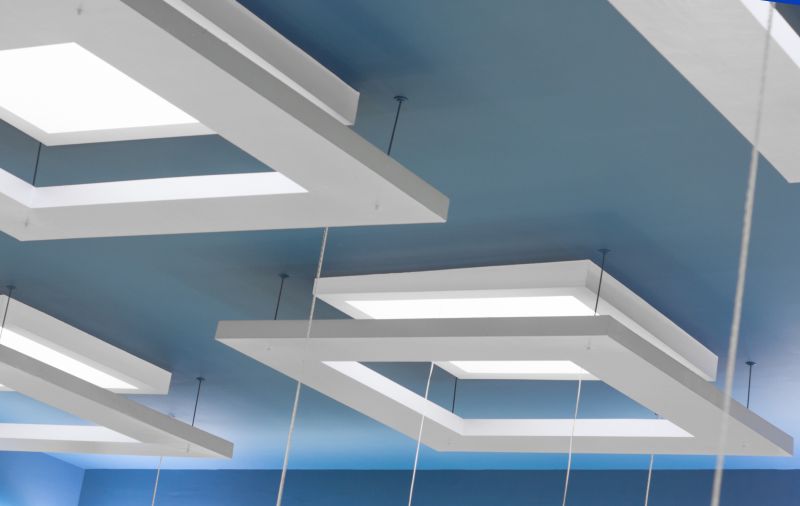

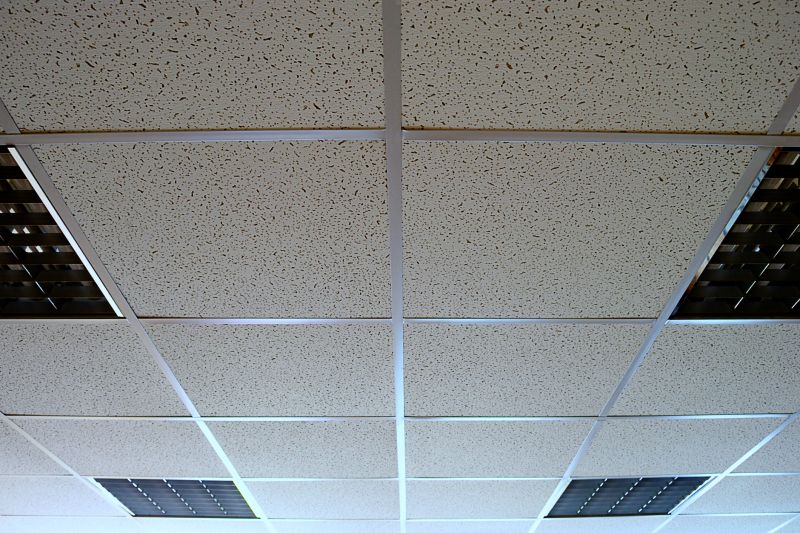
Suspended ceiling installation involves attaching a secondary ceiling beneath the existing structural ceiling, creating a smooth, even surface that can enhance the appearance of a room. This service typically includes measuring the space, framing the new ceiling grid, and installing panels made from materials such as mineral fiber, metal, or gypsum. The process is straightforward and can be tailored to different room sizes and styles, providing a clean and polished look that can improve the overall aesthetic of residential or commercial spaces.
One of the primary benefits of suspended ceiling installation is its ability to address common interior problems. It can effectively conceal uneven or damaged ceilings, hiding imperfections, wiring, ductwork, or pipes that may be unsightly or difficult to access. Additionally, suspended ceilings can improve acoustics by reducing noise transfer between floors or rooms, making them a practical choice for spaces that require sound control. They also allow for easy access to utilities above the ceiling, simplifying maintenance and repairs without the need for extensive demolition.
This type of ceiling is often used in various property types, including homes, offices, retail stores, and warehouses. Homeowners may choose suspended ceilings in basements, kitchens, or garages to create a more finished look or to hide structural issues. Commercial properties frequently install suspended ceilings in office spaces, retail environments, or storage areas to facilitate easy access to electrical and HVAC systems while maintaining a tidy appearance. The versatility of this service makes it suitable for both aesthetic improvements and functional upgrades across different property types.
Local contractors specializing in suspended ceiling installation can provide expert guidance on the best materials and designs to suit specific needs. Whether addressing a damaged ceiling, improving acoustics, or creating a modern, streamlined look, these service providers have the skills to handle the project efficiently. Homeowners or property managers interested in this service can contact local pros to compare options and find experienced professionals capable of delivering quality results tailored to their space.
The overview below groups typical Suspended Ceiling Installation projects into broad ranges so you can see how smaller, mid-sized, and larger jobs often compare in your area.
In many markets, a large share of routine jobs stays in the lower and middle ranges, while only a smaller percentage of projects moves into the highest bands when the work is more complex or site conditions are harder than average.
Smaller Repairs - For routine repairs such as patching or replacing sections of a suspended ceiling, local contractors typically charge between $250 and $600. Many projects in this range are straightforward and fall into the lower to mid-price bands, depending on the extent of work needed.
Standard Installation - Installing a new suspended ceiling in a standard-sized room usually costs between $1,000 and $3,000. This range covers most typical projects and can vary based on ceiling size, material choices, and accessibility.
Full Replacement - Replacing an entire suspended ceiling system across a large area can range from $3,500 to $8,000 or more. Larger, more complex projects tend to push into the higher tiers, but many jobs stay within the mid-range.
Custom or Complex Projects - Projects involving custom designs, high-end materials, or intricate installations can exceed $10,000. These are less common and often represent the upper end of the cost spectrum for suspended ceiling services.
Actual totals will depend on details like access to the work area, the scope of the project, and the materials selected, so use these as general starting points rather than exact figures.
Drop Ceiling Installations - local contractors skilled in installing suspended ceilings in commercial and residential spaces, requiring precise framing and panel placement.
Acoustic Ceiling Projects - professionals experienced in installing sound-absorbing ceiling systems that often involve suspended grid frameworks.
Office Partition Installations - service providers who set up modular wall systems and suspended ceilings to create functional office environments.
Interior Renovation Projects - local experts capable of integrating suspended ceiling systems as part of comprehensive interior upgrades.
Lighting Fixture Installations - specialists who install lighting within suspended ceilings, ensuring proper placement and wiring.
Wall and Ceiling Framing - contractors proficient in framing structures that support suspended ceiling systems in various building types.
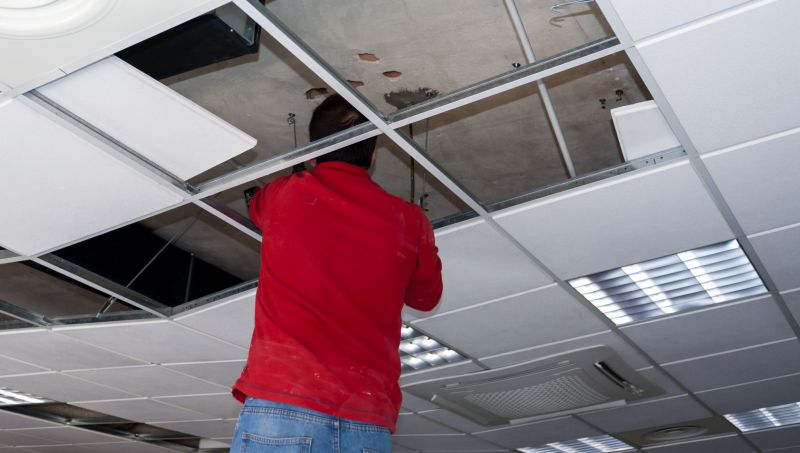
When evaluating local contractors for suspended ceiling installation, it’s important to consider their experience with similar projects. Homeowners should look for service providers who have a proven track record of completing ceiling installations comparable in size and complexity to the desired project. This can help ensure that the contractor is familiar with the specific requirements and challenges involved, leading to a smoother process and a satisfactory outcome.
Clear communication of expectations is another essential factor. Pros who can provide detailed descriptions of their services, clarify what is included in the scope of work, and outline any necessary preparations help establish a transparent working relationship. Homeowners should seek service providers who are willing to answer questions and provide written estimates or proposals, as this helps prevent misunderstandings and sets a solid foundation for the project.
Reputable references and a reputation for professionalism are also key considerations. Homeowners can ask potential service providers for references from past clients with similar projects, and verify their quality of work and reliability. Good communication throughout the process, from initial contact to project completion, indicates a contractor’s commitment to customer service. It’s important to remember that this site introduces homeowners to local options for suspended ceiling installation, helping them compare and connect with qualified service providers, rather than performing the work itself.
Property owners use Suspended Ceiling Installation services for practical projects around their homes and businesses. This guide focuses on everyday jobs and straightforward project options.

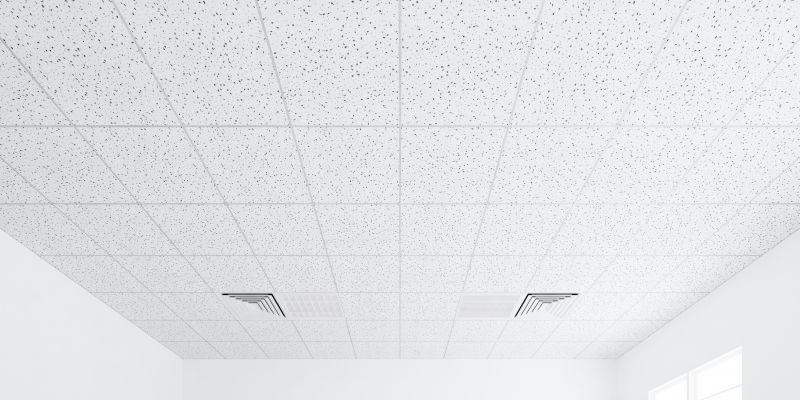
Suspended ceiling installation is a common solution for property owners looking to improve the appearance or functionality of a room. Whether upgrading a basement, office, or retail space, local contractors can help create a smooth, modern ceiling that conceals wiring, pipes, or imperfections. Many property owners seek these services when renovating or refurbishing spaces to achieve a cleaner look or to improve acoustics and lighting conditions.
In addition, suspended ceilings are often chosen to address issues like noise reduction or to provide easier access to building infrastructure. Property owners may also look for local service providers when installing ceilings in commercial or residential properties that require a quick, cost-effective update. Local contractors are equipped to handle a variety of project situations, making it easier for property owners to find solutions tailored to their specific needs.
What are suspended ceilings? Suspended ceilings are ceiling systems installed below the main structural ceiling, often used to hide wiring, pipes, or ductwork while providing a finished look.
What materials are commonly used for suspended ceiling installation? Common materials include metal tiles, mineral fiber tiles, and acoustic panels, which can be selected based on aesthetic preferences and acoustic needs.
How do local contractors typically handle suspended ceiling installation? Local service providers evaluate the space, select appropriate materials, and install the ceiling system securely and efficiently.
Are there different styles of suspended ceilings available? Yes, suspended ceilings come in various styles, including grid systems, concealed grid, and decorative panels, to match different interior designs.
What should be considered before installing a suspended ceiling? Factors like room height, existing infrastructure, and desired aesthetics are important to determine the best type of suspended ceiling for a space.
Ceiling Upgrade Ideas - Installing a suspended ceiling can improve room acoustics and conceal ductwork or wiring in basements and commercial spaces.
Renovation Projects - Adding a suspended ceiling is a practical choice for refreshing office or retail interiors without extensive remodeling.
Lighting Enhancement - A suspended ceiling provides a surface for integrated lighting fixtures, ideal for creating well-lit kitchens or work areas.
Soundproofing Solutions - Property owners can use suspended ceilings to reduce noise between rooms or floors in multi-unit buildings.
If you are thinking about Suspended Ceiling Installation for a property, this guide is meant to help you understand the work, the typical project types, and how different options might fit your plans.
When you are ready, you can use the quote form on this page to share a few details about your project. From there, local pros can review the basics and respond with options that match what you have in mind.